
Cultural Differences in Friendship: Avoiding Misunderstood Signals
Updated: Feb 1
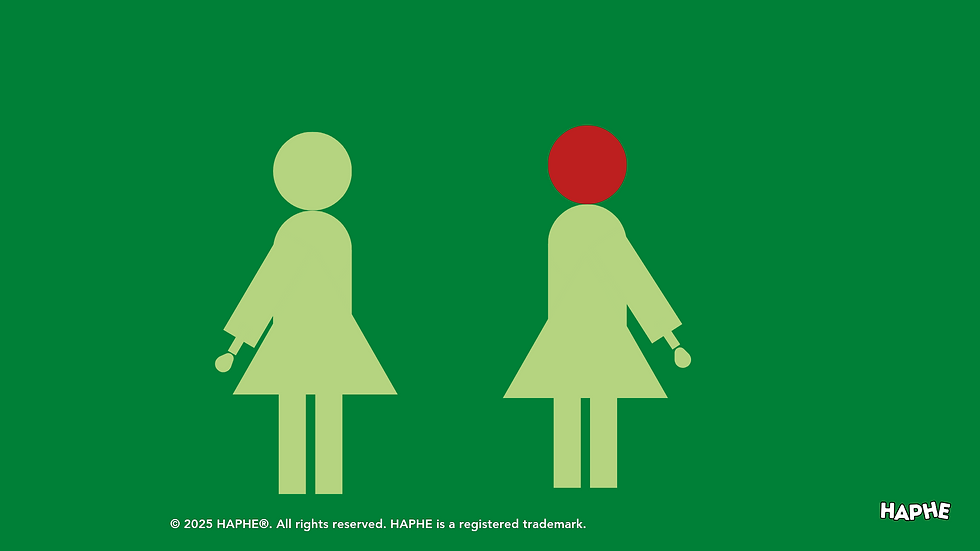
Friendship is one of the most universal human experiences and at the same time, one of the most culturally shaped. Every culture teaches its own unspoken rules about closeness, distance, communication, and emotional expression. When students from different backgrounds meet at university, these hidden rules can collide quietly, creating misunderstandings that neither friend intended.
A friendship might feel “off” not because someone is rude, distant, clingy, or cold but because each person is speaking a different cultural language of friendship.
Understanding these cultural layers allows friendships to deepen with compassion, clarity, and balance instead of confusion and emotional misinterpretation.
This blog explores how cultural differences shape friendship and how to navigate those differences in a way that honours both people’s backgrounds.
1. The Hidden Rules We Carry Into Friendship
Most students don’t realise they bring invisible cultural expectations into friendships, such as:
how quickly closeness should develop
how often friends should see or message each other
what counts as loyalty
what counts as disrespect
how much personal information should be shared
how conflict should be handled
whether silence is normal or alarming
whether space is healthy or hurtful
These rules feel “natural” because they were taught quietly through family, environment, and community not through explicit lessons.
When two people have different rules, they may misread each other without meaning to.
2. Pace of Friendship: Fast vs Slow Cultures

Cultures vary dramatically in how quickly people form close friendships.
Fast-Pace Cultures
Some cultures build closeness quickly intense bonding, quick sharing, instant familiarity. They thrive on warmth, openness, and rapid connection.
To someone from a slow-pace culture, this can feel:
overwhelming
too intense
“too much too soon”
Slow-Pace Cultures
Some cultures build friendship slowly trust is earned over time, privacy is valued, and closeness grows gradually.
To someone from a fast-pace culture, this can feel:
distant
unfriendly
cold
uninterested
Neither person is wrong.
They’re just following different emotional scripts.
3. Communication Styles: Direct vs Indirect
Communication shapes how friendship feels.
Direct Cultures
In these cultures, honesty is kindness. Saying things bluntly is a sign of trust. People appreciate clarity.
If someone from a direct culture says:
“I didn’t like that,”
they are not attacking they are communicating.
Indirect Cultures
In these cultures, kindness is gentleness. Avoiding confrontation is respect. Tone matters as much as words.
An indirect person may hint or soften their needs to avoid embarrassment for both sides.
Misunderstandings happen when a direct friend is interpreted as “rude” and an indirect friend is interpreted as “dishonest.”
In truth, both are showing care just differently.
4. Emotional Expression: High vs Low Expression
Cultures also differ in how emotions are expressed in friendship.
High-Expression Cultures
Open affection
Strong enthusiasm
Frequent compliments
Emotional intensity
These friendships can look dramatic to some cultures, but they are expressions of closeness.
Low-Expression Cultures
Subtle care
Quiet support
Reserved affection
Practical rather than emotional help
These friendships can look distant, but underneath is deep reliability.
When these two styles meet without awareness, feelings get hurt unintentionally.
5. Touch and Physical Closeness

To some cultures, hugging a friend is normal. To others, hugs are intimate and rare. To some, linking arms or sitting close is casual.
To others, it is uncomfortable or inappropriate.
Without understanding this, one friend may feel rejected and the other may feel violated even though neither intended harm.
6. Privacy and Sharing Norms
Cultures shape how much vulnerability is acceptable.
Open-Sharing Cultures
Sharing feelings, difficulties, and personal stories is a way of bonding.
Private Cultures
Privacy is dignity.
You don’t open up quickly or to many people.
If these expectations clash, one friend may think:
“They don’t trust me.”
The other may think:
“Why are they asking so many questions?”
Again nobody is wrong.
The expectations simply differ.
7. Conflict Style Differences
This is one of the biggest causes of friendship breakdowns.
Confrontational Cultures
Conflict is normal and healthy.
Discussing issues keeps the friendship strong.
Avoidant or Harmony Cultures
Conflict threatens the relationship.
Silence or avoidance protects peace.
If you read the other person’s style through your own lens, you interpret their behaviour incorrectly.
Understanding conflict styles prevents emotional misreading and helps both friends feel safe.
8. How to Navigate Cultural Differences Without Overthinking
You don’t need to become an expert in world cultures.
You just need awareness, curiosity, and emotional flexibility.
A. Ask, Don’t Assume
A simple question can prevent months of confusion:
“How do you usually handle this in your culture?”
B. Explain Your Own Style
“I tend to be direct; I hope it never comes across wrong.”
Or:
“I’m more private; it’s not distance, it’s just how I open up.”
C. Notice Their Patterns Without Judgement
See difference as information, not rejection.
D. Give Space for Adjustment
Friendship across cultures grows best when both people have time to understand each other.
E. Celebrate the Blend
Cross-cultural friendship gives you emotional vocabulary you wouldn’t learn any other way.
9. Cultural Diversity Makes Friendship Richer Not Harder

When you understand cultural differences, friendships become:
more resilient
less reactive
more forgiving
more compassionate
more emotionally balanced
The friendship becomes a space where both worlds are welcomed — not blended, not erased, but respected.
You learn to read signals in stereo instead of in one emotional language.
Final Thought
Friendship across cultures is not a challenge it is an expansion.
It stretches your emotional intelligence, deepens your empathy, and teaches you new ways of showing and receiving care.
When you understand the cultural layers behind behaviour, misunderstandings turn into insight, confusion turns into connection, and differences turn into bridges.
Friendship does not need sameness to survive.
It needs awareness, balance, and respect the foundations of HAPHE’s emotional philosophy.
If you're ready, I can continue with: